
The Development Timeline: Ideal Ages for Soccer Training and Career Start
One of the most frequent questions parents and young athletes ask is: “When is the best time to start?” While soccer is a sport for all ages, there are specific physiological and psychological “windows of opportunity” that dictate a player’s long-term success. Understanding the ideal ages for training and the right time to transition into a competitive career path is essential for families in Newport Beach and Huntington Beach.
At Br Elite Soccer, our methodology is built around these developmental stages. We recognize that what a 6-year-old needs is fundamentally different from the requirements of a 16-year-old. This article breaks down the soccer development timeline and highlights why private soccer training is the catalyst that ensures these windows are never missed.
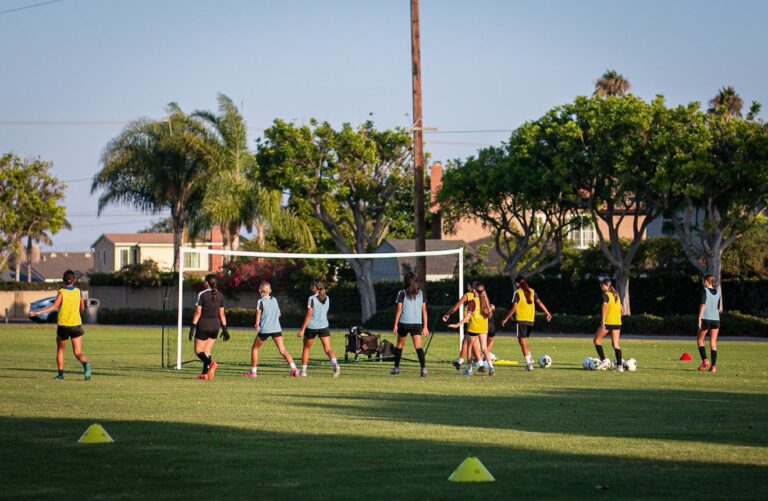
soccer for teens in Newport & Huntington Beach
Stage 1: Discovery and Fundamentals (Ages 3 – 7)
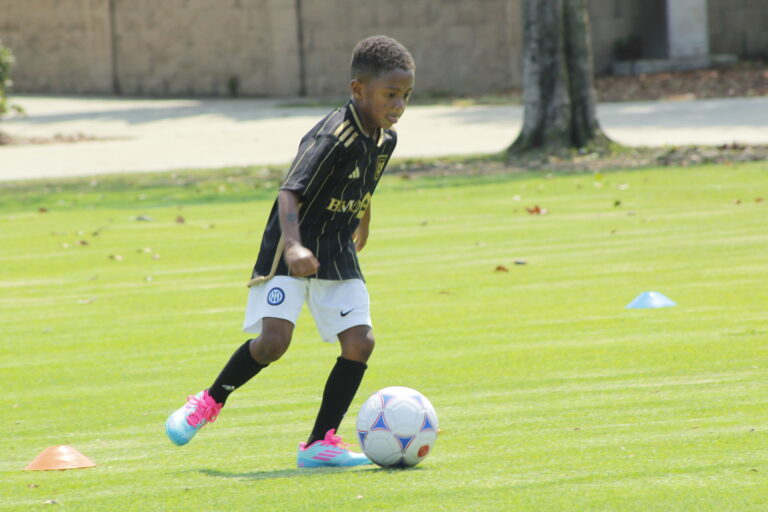
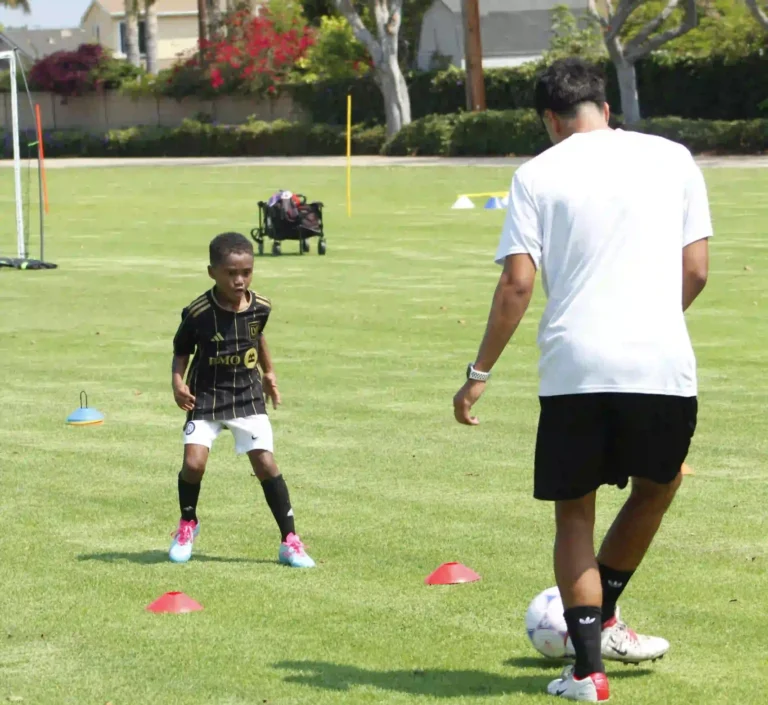
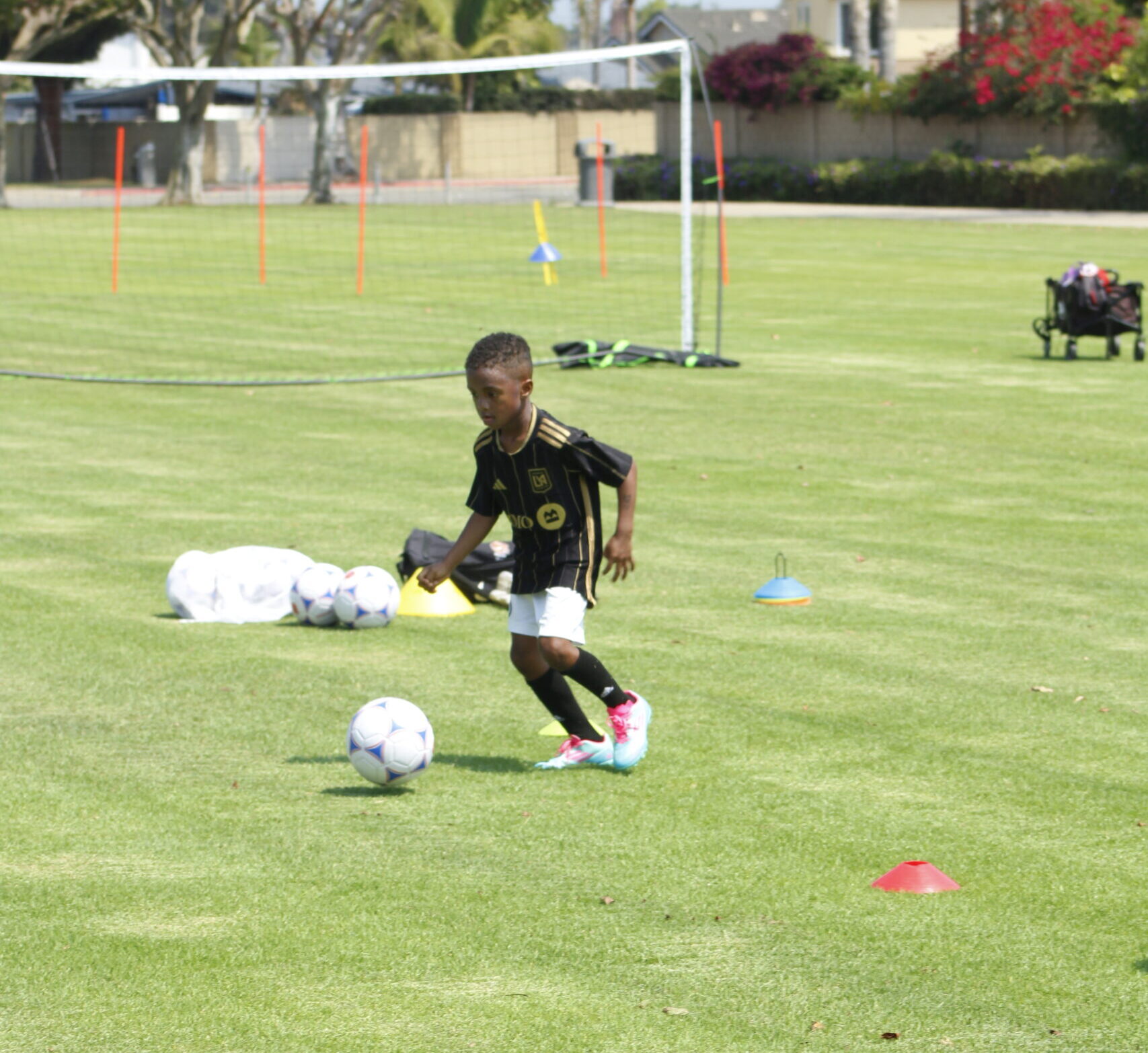
At this stage, the primary goal is to foster a love for the game and develop basic motor skills. It is the “discovery” phase where the ball becomes a natural extension of the child’s body.
Focus: Balance, coordination, and basic ball familiarity.
Training Style: Fun, low-pressure environments that encourage movement.
The Early Advantage: Starting youth soccer training early allows children to develop a level of comfort with the ball that is difficult to replicate later. In Huntington Beach, our preschool and early childhood programs focus on “play with a purpose.”
Stage 2: The Golden Age of Learning (Ages 8 – 12)
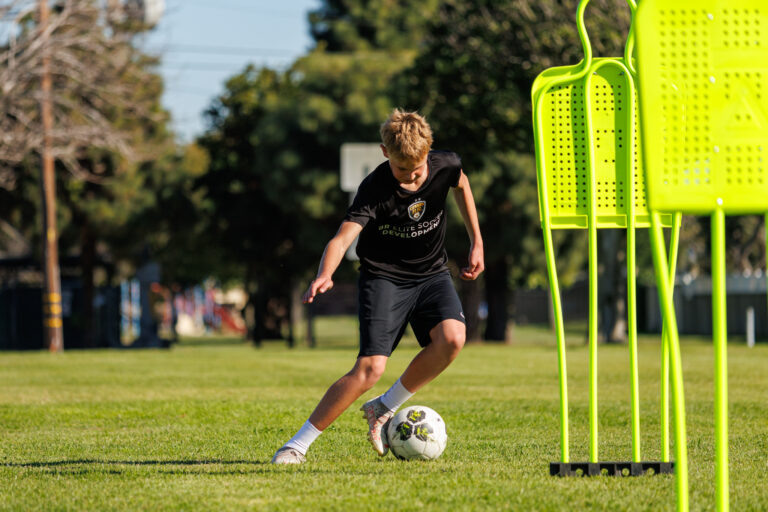
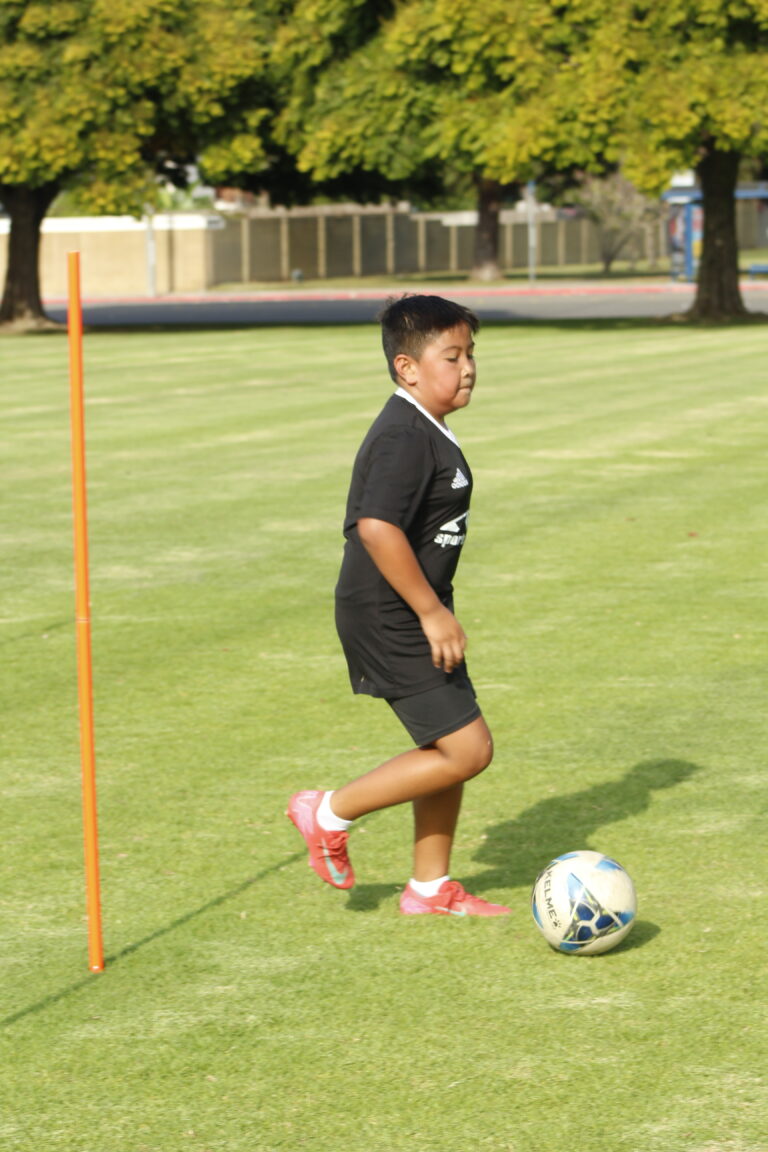
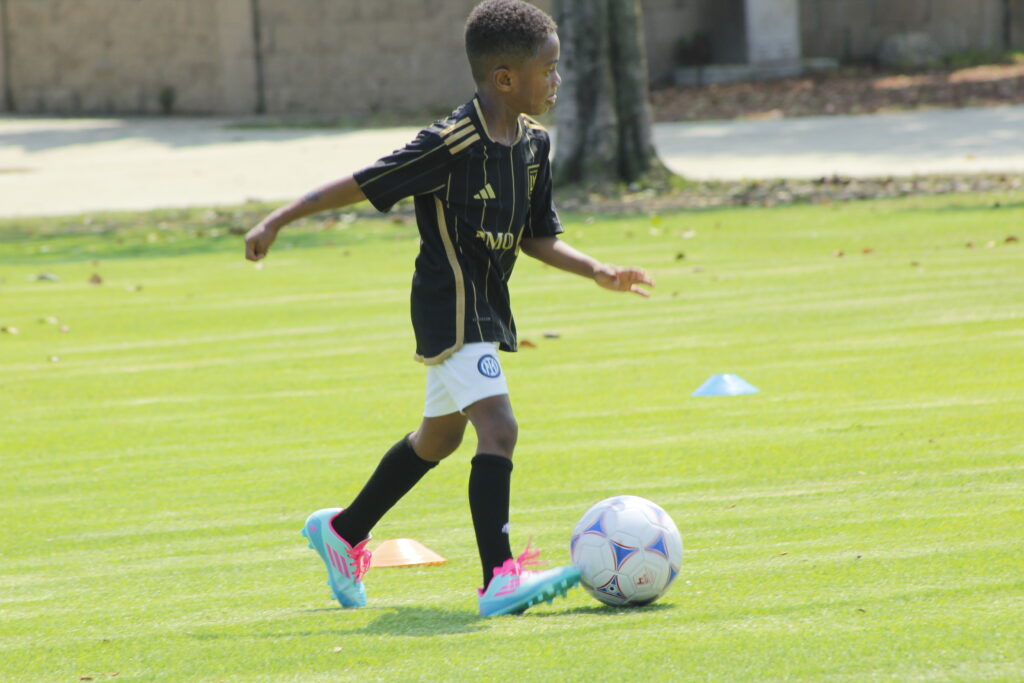
This is widely considered the most critical period in a soccer player’s life. During these years, the brain is most receptive to learning and automating complex motor skills.
Focus: Technical mastery, first touch, dribbling precision, and passing accuracy.
Why It’s Critical: This is the window where the foundation of a player’s technical skill is built. If a player does not master ball control by age 12, it becomes significantly harder to catch up to elite peers later.
The Role of Specialization: This is the ideal time to introduce private soccer lessons. A dedicated coach can ensure that the thousands of repetitions performed during this “Golden Age” are technically perfect, preventing bad habits from becoming permanent.
Stage 3: The Competitive Shift and Specialization (Ages 13 – 16)
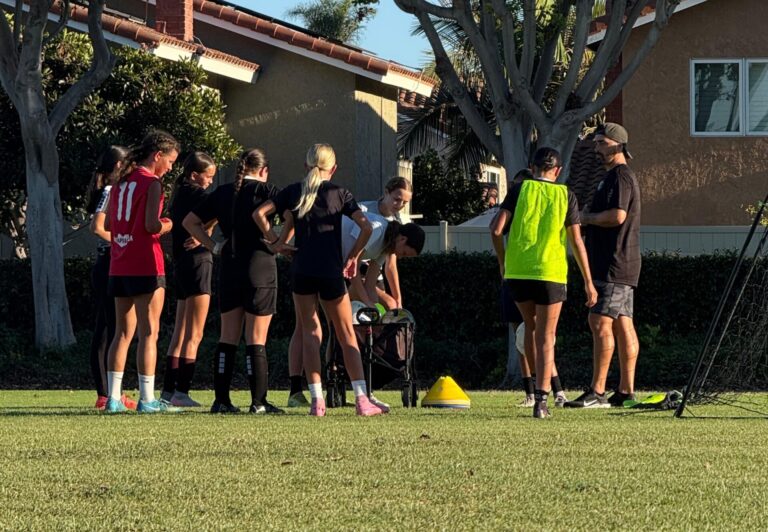
As players enter their teens, the game changes. It becomes faster, more physical, and highly tactical. This is the stage where many talented players stop improving after age 15 because they rely solely on natural talent.
Focus: Tactical intelligence, positional specialization, and speed and agility training.
The Pro Path: For those aiming for a professional career, this is the time to commit to high-performance standards. In Newport Beach, scouts begin to look for players who demonstrate not just skill, but also the physical and mental resilience required for the next level.
Why Private Training is Mandatory: Team practices are no longer enough to address the specific needs of a 14-year-old midfielder versus a 14-year-old defender. Specialized private soccer training allows for the positional work that team coaches often overlook.
Stage 4: Professional Transition and College Prep (Ages 17+)
By age 17, the athlete is preparing for the final transition into college rosters or professional academy trials. The margin for error is non-existent.
Focus: Game-specific conditioning, high-stakes decision making, and mental toughness.
Preparation for Trials: Athletes must be at their absolute physical and technical peak. We integrate strength training for soccer to ensure the body is ready for the adult game.
Specialized Roles: For those in the goal, this is the time for intensive goalkeeper training near me, focusing on the leadership and communication skills needed to organize a defense at a professional level.
Why Private Training is the Deciding Factor at Every Age
Regardless of whether a player starts at age 5 or age 10, the “one-size-fits-all” approach of team training is rarely sufficient for those with competitive ambitions. Private soccer training acts as a personalized accelerator for several reasons:
Closing the Skill Gap: If a player starts later, a soccer personal trainer can help them compress years of learning into months of intensive work.
Individualized Correction: In Huntington Beach, our private sessions allow for the granular technical correction that is impossible to receive in a 20-player team practice.
Mentorship for Success: A private coach provides the psychological support needed to navigate the pressures of each developmental stage.
Your Journey Starts in Newport & Huntington Beach
The ideal age to start is now. Whether your child is 6 and just beginning or 16 and looking to secure a college spot, the quality of their training environment will dictate their destination. Br Elite Soccer is dedicated to providing the most effective youth soccer training across both Newport Beach and Huntington Beach.
We help families navigate the complex journey of soccer development, ensuring that every athlete is challenged, supported, and prepared for the next stage of their career.
Are you ready to align your training with the right development stage?
Don’t let the “Golden Age” of learning pass you by. Invest in the specialized attention that turns potential into performance.
Contact us today to schedule your evaluation and start your path to soccer excellence!
The Development Timeline: Ideal Ages for Soccer Training and Career Start
One of the most frequent questions parents and young athletes ask is: “When is the best time to start?” While soccer is a sport for all ages, there are specific physiological and psychological “windows of opportunity” that dictate a player’s long-term success. Understanding the ideal ages for training and the right time to transition into a competitive career path is essential for families in Newport Beach and Huntington Beach.
soccer for teens in Newport & Huntington Beach
At Br Elite Soccer, our methodology is built around these developmental stages. We recognize that what a 6-year-old needs is fundamentally different from the requirements of a 16-year-old. This article breaks down the soccer development timeline and highlights why private soccer training is the catalyst that ensures these windows are never missed.